Delhi CDR Chowk Case: Police File 500-Page Chargesheet in Minor Rape-Murder Case
Delhi CDR Chowk case has drawn serious attention after Delhi Police filed a nearly 500-page chargesheet in connection with the alleged kidnapping, sexual assault and murder of a 10-year-old girl. The case involves a detailed investigation into the circumstances surrounding the child’s disappearance, the alleged crime and the subsequent recovery of her body.
According to the police investigation, the girl was allegedly taken from the area around CDR Chowk in Delhi while she was sleeping with her family. The investigation later focused on the movements of the accused and the sequence of events that allegedly followed the kidnapping.
The chargesheet reportedly contains extensive evidence collected during the investigation. Police have included witness statements, CCTV footage and other material that investigators say helped establish the sequence of events. The large size of the chargesheet reflects the amount of material gathered during the investigation.
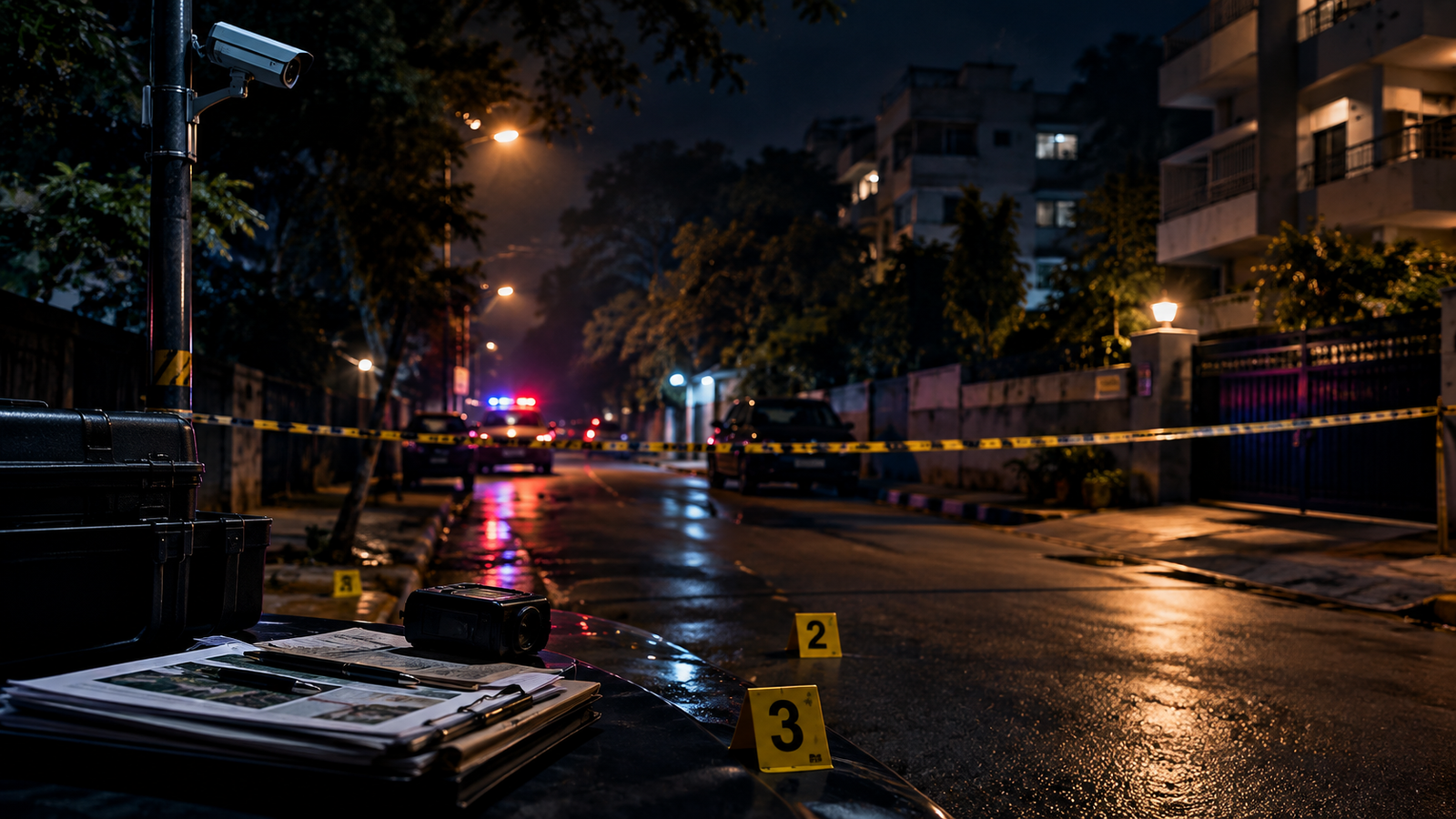
The Delhi CDR Chowk case also highlights the importance of CCTV footage and witness accounts in serious criminal investigations. Investigators examined available surveillance footage and other evidence to trace movements and reconstruct the events surrounding the girl’s disappearance.
The investigation reportedly led police to the alleged involvement of a man identified as Basu Kumar Singh. Police allege that the accused took the child from the CDR Chowk area and later assaulted her at another location. The girl subsequently died, and investigators alleged that her body was abandoned near the Delhi-Gurugram border.
Police also reportedly faced a difficult situation while attempting to apprehend the accused. The investigation and arrest process involved additional developments that were documented as part of the case record.
The chargesheet includes allegations relating to kidnapping, sexual assault, murder and offences under the Protection of Children from Sexual Offences Act. Because the matter is now part of the judicial process, the allegations contained in the chargesheet will be examined by the court.
The Delhi CDR Chowk case is significant not only because of the seriousness of the allegations but also because of the detailed evidence gathered by investigators. In cases involving children, investigators generally have to establish a clear timeline while carefully documenting witness accounts, digital or CCTV evidence and other relevant material.
A chargesheet is an important stage in a criminal investigation, but it is not the same as a conviction. The police present their findings and evidence before the court, while the court determines whether the accused is guilty based on the evidence and applicable law. The accused is therefore entitled to the judicial process and the presumption of innocence until proven guilty.
The case also underlines the importance of timely reporting when a child goes missing. Information from family members, witnesses, surveillance systems and other sources can become important in establishing what happened and identifying the people connected with an incident. Early information can also help investigators establish an accurate timeline and identify locations that may require further examination.
In serious cases, investigators may have to compare information from several sources rather than relying on a single piece of evidence. CCTV recordings can help establish movement, while witness accounts may provide additional context. Other documents and forensic material can then be examined as part of the overall investigation. The court will ultimately assess the relevance and reliability of the evidence presented during the proceedings.
For investigation professionals, cases such as this demonstrate how multiple forms of evidence can become part of a larger investigation record. CCTV footage, witness statements, location information and other documented evidence can help investigators build a chronological picture of an incident.
As the Delhi CDR Chowk case proceeds through the courts, further developments will depend on the judicial proceedings and examination of the evidence presented by the prosecution. The nearly 500-page chargesheet represents the police investigation so far, while the final determination of guilt or innocence remains with the court.